
Water softeners’ final cost depends on various factors; higher-quality systems cost more upfront but have lower maintenance expenses over their lifespan.
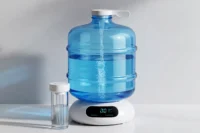
Select a water softener sized appropriately for your home based on household size and hardness level (measured in grains per gallon; this should typically be handled by an experienced local water treatment professional).
Water Softener System Installation
Water softeners are designed to reduce the buildup of calcium and magnesium in your home’s water, known as hard water. Hard water can pose many plumbing problems while increasing energy costs for heating it. How Much is a Water Softener? – A water softener works by replacing these hard minerals with salt; creating softer, shinier and healthier water for you and your household. However, before purchasing one for yourself or someone else it’s essential that you understand its costs as they could prove essential in making an informed decision on whether this option would suit their home environment.
Price for water softeners depends on various considerations, including size and features. A basic model will typically cost less than more advanced systems with advanced technology and features. You should also factor in where your home is situated – some areas are more susceptible to hard water than others. A simple test can help identify your home’s hardness level.
Installing a water softener comes at a cost, too. To keep costs at bay, opt for high-quality installation materials that ensure durability and prevent leaks or other potential problems in the future.
Hiring a licensed installer is crucial, as they will guarantee that your plumbing installation meets local codes. How Much is a Water Softener? – Yearly outbreaks due to incorrect plumbing installation result in serious disease outbreaks; professionals adhere to local water standards and codes in order to safeguard both health and safety.
Be sure to factor in additional expenses, such as materials and labor. Installing new pipes or altering existing wiring is likely to incur additional expenses. Finally, any permits or inspections mandated by your municipality will incur fees as well.
Once you’ve considered all of your costs, it’s time to select a water softener that meets your individual needs. One way of doing this is finding one with a quality system backed by a warranty; this will give you peace of mind that your investment is safe. In addition, opt for a company known for reliable customer service so they can provide quick assistance should any problems arise.
Cost of Replacement – Water Softener System Maintenance
Should the time come where it becomes necessary to replace your water softener, expect it to cost between $150-$300 for parts and labor costs alone. Exact costs will depend upon your home’s setup; for more accurate quotes it is advisable to consult a professional. In addition to purchasing the new unit you must also cover costs related to disposing and cleaning up any old materials or debris associated with installation as well.
An investment in a water softener is a wise long-term decision for any homeowner living in hard water areas such as Lancaster, Chester, Berks and York County. How Much is a Water Softener System? – Water softeners offer numerous advantages that could save money over time such as energy bills being reduced significantly, dry skin/dishes being more manageable, clogged pipes/hard laundry being easier, as well as other issues caused by excessive mineral content in household water sources.
Water softeners use ion exchange to remove excess minerals from household water supplies. Inside each water softener are small resin beads with negative charges which attract and hold on to minerals found in hard water as it passes through, then regenerates using a brine solution which flushes away captured ions while replenishing sodium or potassium into its beads.
Your water softener’s size will ultimately determine its frequency of regeneration. To determine an appropriate size, take note of both household water usage and hardness level – to get an accurate estimation, hire a professional water tester at no cost to conduct a comprehensive water test for you.
Once you have this data, multiplying the daily water usage of your household with its hardness level in grains per gallon will provide the total daily gallons used, which can then be divided by your water softener’s grain capacity to give a precise estimate for when its regeneration will need to occur.
Though big box stores often offer DIY water softener models, hiring professional installers remains the safest and most reliable method. How Much is a Water Softener? – Improper installations may cause plumbing damage that necessitates costly repairs; additionally, DIY installers may miss key details like sizing calculations, electrical connections and drainage connections that cCost of Maintenance
Annual maintenance costs for water softeners can vary significantly based on their type, size and usage levels. Whether you choose to manage it yourself or hire professional service providers to do it for you, it is crucial that these expenses factor into overall program management and budgeting efforts.
Salt-based systems incur three primary expenses: their initial purchase price, ongoing water softener salt costs and paying twice for water (once as it enters and again as it exits). How Much is a Water Softener? – Over an expected 10- to 15-year lifespan of such systems, you should expect this total expense to add up to approximately $2,200 annually on average.
Water softener salt costs can range anywhere from $5-$25 for standard 40-pound bags, depending on its purity level and location.
Additionally, your system requires periodic recharge. Regeneration involves exchanging hardness-causing calcium and magnesium ions with sodium which is then stored in a resin bed until needed again. Regeneration frequency will depend on your water quality, usage levels and any contaminants in your facility’s supply of water.
Water softeners can be set to regenerate on either a timed or metered schedule, with time-clock systems requiring regular manual testing and adjustments, while metered units monitor actual usage and only release salt when necessary – perfect for facilities with varied daily water use patterns.
Some water softeners feature multistage filters that require periodic replacement, usually made of polystyrene resin and using negative charges to capture and hold hardness-causing minerals without them sticking to pipes, fixtures or appliances. How Much is a Water Softener? – Prices can range anywhere from $25-500 each depending on brand and filter type.
Smaller systems installed under the sink tend to be easier and less costly to repair than larger whole-house softeners, which typically require professional repairs. Common reasons why water softeners stop working include an empty brine tank or jammed valve – when this happens it is important that a service provider be called immediately in order to diagnose and resolve it as soon as possible.
Cost of Salt – How Much is a Water Softener?
Water softeners can be an invaluable investment for a homeowner, from improved skin softness and cleaner laundry, to healthier dishes and better appliance performance. Before making this commitment, however, it’s essential that homeowners understand how much these systems may cost them.
Water softeners remove minerals that harden water through an ion exchange process, such as passing it through a tank with beads saturated with sodium (or occasionally potassium) that exchange calcium and magnesium ions for sodium ones, rendering the water softened.
Some water softeners also remove contaminants like iron, manganese, and hydrogen sulfide – substances which may contribute to discolored, metallic-tasting water that stains pipes, appliances and fixtures – with more expensive softeners using either filters or an ion exchange system for this task.
Before purchasing a water softener, it’s essential to carefully consider the cost and source of its salt for recharging purposes. Most ion-exchange water softeners rely on sodium chloride; however there are low sodium options available as well as alternatives that meet specific dietary restrictions. How Much is a Water Softener? – It’s essential to establish where this salt will come from before making your decision.
Most residential water softeners feature a tank with an adjustable capacity that determines how many gallons it can treat daily based on factors like usage and hardness of the water source. Selecting an adequate-sized softener can prevent wasteful use of salt as well as unnecessary expense.
Salt type used in softeners can have a direct impact on their price, with solar or evaporated salts being among the most preferred choices due to their rapid dissolvability and inability to form clumps that lead to bridged and clogged systems.
Additional factors affecting the cost of water softeners include their size and efficiency as well as any smart features they possess and frequency of charging requirements. How Much is a Water Softener? – To find the ideal softener solution for you home, contact your local hardware store or water testing service for advice.
A Salt Free Water Softener Is an Eco-Friendly Solution For Water
Many homeowners are seeking eco-friendly, low maintenance alternatives to salt-based softeners. A salt free system doesn’t use the ion exchange process used by water softeners in order to remove hardness minerals and replace them with sodium ions; rather it simply keeps these minerals intact in your water supply.
Here are the advantages and disadvantages of salt free water softeners:
Reduce Scale Buildup
Traditional salt-based water softeners use ion exchange to remove hardness minerals from your water supply, but an eco-friendly TAC system utilizes template assisted crystallization (TAC). TAC prevents minerals from creating scale and requires no salt and wastewater production – saving money over time in terms of both costs and environmental impact.
Not only can these systems offer an eco-friendly solution, they are also cost-effective solutions for many homes as they require less maintenance and fewer chemicals to ensure you have clean drinking water in the home. Furthermore, these systems may help prevent clogged pipes and appliances, extend appliance lifespan such as dishwashers or water heaters and improve skin and hair texture – all while being eco-friendly at the same time!
Water conditioners can make the water in your home feel different by decreasing its metallic or chalky flavor associated with hard water, though these conditioners do not entirely eliminate calcium and magnesium ions, meaning they may not work effectively in areas with extremely high levels of hardness or for industrial uses that require softened water.
Water softeners can significantly lessen the harmful effects of hard water in your home, but it’s essential that you understand each solution available and its potential advantages for your family. Contact Kettle Moraine Heating & AC’s expert team of water softener installation professionals and learn about traditional softening and salt-free systems; including reduced scale buildup, enhanced appliance efficiency, and longer-lasting plumbing systems.
Save Money
Salt free softeners offer an eco-friendly home water treatment solution by not producing wastewater during regeneration, significantly reducing their environmental footprint and saving electricity and money on running costs for running the softening system. Plus, water softeners also reduce salt usage and waste output – not to mention electrical costs! Furthermore, they may help save on household appliance water use costs!
Traditional salt-based systems may appear cheaper at first glance, but their expenses quickly add up in the form of buying salt, service calls and waste water during regeneration processes. A salt free softener offers more sustainable home water treatment solution with lower salt and energy usage costs.
These systems use resin beads to attract hard minerals in much the same way a magnet would, then flushing away their mineral-laden beads with water to rinse clean. How Much is a Water Softener System? – This process is tracked and performed according to your water consumption so you only receive its benefits when necessary.
This system does not remove calcium and magnesium from your water, but changes their structure so they adhere less strongly. As such, you still get all of the benefits of traditional water softening such as reduced scale buildup and softened laundry loads.
While a salt free water softener won’t give your home’s water that slick and slippery feel associated with traditional softened water softeners, they still make for an effective and affordable way to improve its quality! Contact Clear Water Concepts now to discover more on how an alternative salt-free softener could enhance its water quality today!
Reduce Wastewater Discharge
Water softeners are an invaluable investment for homes with hard water. These systems can reduce appliance wear and tear, lower soap and detergent costs, improve skin and hair health and help protect the environment – among other advantages. How Much is a Water Softener System? – One drawback associated with salt-based softeners, however, is their discharge of sodium-rich wastewater into the environment, leading to soil degradation, water contamination and harming aquatic ecosystems – but by opting for salt free systems and taking measures to properly maintain them homeowners can help mitigate its negative impacts on aquatic ecosystems.
Traditional water softeners employ an ion exchange process to remove heavy minerals from your water supply. They work by employing negatively charged resin beads that attract and trap positively charged hardness minerals such as calcium and magnesium. When worn-out beads need refreshing with sodium-rich solutions like Epsom salts, they’re recharged through plumbing systems into either the septic or sewer systems and flushed away – creating significant amounts of salty wastewater as part of this process – especially with dual tank softeners.
Salt free water softeners don’t use salt or potassium chloride, eliminating the need for regular refills of this essential product. Instead, these systems use polyphosphates to condition water so hardness minerals won’t stick to pipes and fixtures and cause buildups of hardness minerals in your pipes and fixtures.
To reduce the environmental impact of a salt free water softener, make sure your system is maintained regularly by checking and emptying its brine tank, scrubbing with long-handled brush for cleaning purposes, rinsing with long-handled brush as well as advocating eco-friendly softeners with community initiatives can all make an impactful statement about preserving natural resources.
Reduce Chemical Use
As a homeowner, there are steps you can take towards finding an eco-friendly solution for hard water issues. How Much is a Water Softener System? – From reducing salt usage to finding alternative ion-exchange water softeners – each will reduce impact on local waterways while aligning with larger sustainability initiatives.
Traditional ion-exchange water softeners work by eliminating calcium and magnesium from your home’s water supply, using positively charged resin beads to collect them before exchanging them for sodium ions – creating clean, freshwater that’s less harsh on plumbing and appliances than hard water.
However, these systems can have an environmental cost. Flushing sodium-rich wastewater into sewer or septic systems from homes can have adverse effects, contributing to soil degradation and disrupt aquatic ecosystems – this is why more homeowners are exploring eco-friendly alternatives and adopting them.
No matter which option you select – whether that be a full filtration system, electromagnetic water softener or chelation system – these alternatives work by neutralizing or binding minerals like calcium and magnesium so they cannot form limescale deposits on surfaces. Not only will this protect pipes and appliances but it will also show an important commitment to sustainability.
Many leading brands are now employing newer technologies to increase efficiency and reduce environmental impact, such as dual-tank water softeners that optimize regeneration by using less salt per cycle – cutting waste while saving money! Some brands even provide outdoor water bypass systems to further minimize wasteful spending while simultaneously decreasing your environmental footprint by not contributing to soil or water contamination.
Reduce Environmental Impact
Water softeners are an integral component of many households, protecting appliances from damage while also providing cleaner, softer water. Unfortunately, however, their process has an adverse impact on our planet: salt-based softeners emit brine solutions consisting of extracted minerals and sodium ions back into the environment, creating disruption of aquatic ecosystems as well as harm to native plant populations.
There are eco-friendly solutions available that can reduce the effects of softener salt discharge. These systems operate differently from traditional water softeners but offer many of the same advantages.
Salt-free water softeners utilize chelation as an alternative method of treating hard water, binding hardness minerals such as calcium and magnesium with chelating agents that keep them suspended in suspension without forming scale or adhering to pipes and fixtures. How Much is a Water Softener System? – Though initial costs may be high, maintenance requirements tend to be minimal as these systems have less of an environmental footprint than traditional softeners.
One key consideration should be that, while salt-free water softeners do not produce wastewater, they still generate some sodium in their treated water – this could pose an issue for those on restricted sodium diets or who have sensitive houseplants; however, many newer high-efficiency systems use less salt and regenerate less often thereby decreasing sodium output.
At its core, the key to minimizing your water softener’s environmental impact lies with proper maintenance: monitor and clean out salt tank, check brine level and ensure all components are working as designed. Furthermore, installing a bypass for outdoor water use which redirects hard water from your softener onto lawn and garden can further lower sodium usage without endangering plants.




Hi, this is a comment.
To get started with moderating, editing, and deleting comments, please visit the Comments screen in the dashboard.
Commenter avatars come from Gravatar.