Customizing your car with an eye-catching wrap is an exciting way to express yourself or promote your business, 9How Much to Wrap a Car) yet how much does it cost? Car wrapping has become increasingly popular; let’s look at its cost.
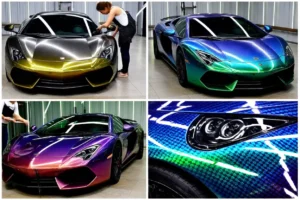
Professional car wrapping can save money over time by protecting the paint of your original vehicle from damage and scratches, but initially its costs can be prohibitively expensive for some individuals.
The Make and Model of Your Car
Wrapping your car can vary significantly in cost depending on its make and model, the amount of vinyl material necessary, installation complexity and regional labor rates as well as quality of materials used. All these elements come together to determine its final price tag.
Paint protective film (PPF) offers an economical and simple solution for safeguarding your car’s finish without drastically altering its look. PPF offers UV protection and scratch resistance to keep its finish looking new; not to mention various finishes are available so you can find one to match the style of your ride!
Decals and stickers offer an economical solution to adding some flair to your car without breaking the bank, as they come in various designs, logos and sizes to choose from. How Much to Wrap a Car – Perfect for personalizing or showing support of your favorite team – decals can add personality without breaking the bank; however they don’t provide as much durability compared to wrapping and may prove challenging to remove without care.
Car wraps offer more advantages than durability alone, including helping preserve the resale value of your vehicle by protecting its original paint from scratches and fading; additionally, they’re easily removable should you want a change or want something unique for business purposes – plus many can be personalized with graphics or lettering to create an eye-catching appearance that makes an impactful first impression!
But keep in mind that wrapping a vehicle requires professional expertise and meticulous care in order to achieve a seamless, bubble-free finish. Therefore, hiring an expert installer rather than trying the DIY method may save both time and money while guaranteeing your wrap is installed properly, looking its best over its lifespan.
The Parts of Your Car
Car wraps come in many materials, colors, finishes and textures to accommodate the personal style of each vehicle owner. Car wraps provide an opportunity for expression with customized graphics or logos that cannot be achieved via painting alone; additionally they help protect original paintwork against scratches, road debris and UV rays to maintain its resale value and thus preserve resale value.
Wrapping your car can be done as a DIY project, but requires expertise and attention to detail in order to prevent poor finishes, bubbles and wrinkles. How Much to Wrap a Car – As such, professional installation specialists should often be hired instead as they have all of the skills, tools, and equipment necessary for perfect application without damaging original paint underneath your wrap. Furthermore, experienced specialists can provide more accurate cost analysis by including additional services or products you may require during or post installation care of their wrap.
Your vehicle size, choice of material and any additional services will all have an effect on its cost of wrapping. Larger vehicles typically cost more to cover due to more material required and labor time needed for complete coverage.
Before beginning the installation process, it’s crucial that your vehicle’s exterior is thoroughly cleaned in order to ensure a successful wrap installation process. Cleaning will help the vinyl adhere properly without peeling away, while dirt or debris could damage its adhesiveness. Furthermore, be sure to inspect for any imperfections such as dents, scratches or rust before applying your wrap – these must all be addressed prior to applying your vinyl covering.
Choose whether to opt for a full or partial wrap when selecting your vehicle’s wrapping options. A complete wrap covers every surface visible to the naked eye on your vehicle while partial covers only the areas that need protection. Full wraps tend to cost more than partial ones but give a smooth and more pleasing aesthetic appearance.
The Design of Your Wrap (How Much to Wrap a Car)
Car wraps offer an affordable way to express one’s personality or market their business, while protecting the original paint from scratches and UV rays. How Much to Wrap a Car – Plus, wraps offer significant cost savings compared to traditional painting jobs – though this all depends on a number of factors! To find out the total cost of vehicle wrapping can help make an informed decision!
First and foremost, your wrap’s design will have a direct bearing on its cost. To avoid costly errors and avoid making expensive mistakes, hire a professional designer familiar with car wrapping and graphic design nuances. Furthermore, its quality can influence its durability and resale value; blurry or pixelated graphics may leave an unfavorable first impression with potential clients or customers.
A professionally-designed wrap will feature eye-catching visuals that draw the eye, making it easier for customers to read your message and understand what your business offers. Therefore, selecting an eye-catching logo or photo which can easily be seen from all directions when your car is moving is vital for its success.
Another essential consideration in vehicle construction is determining how much vinyl material your vehicle requires. Depending on its size and surface area, between 40-55 linear feet may be needed – sedans typically requiring more vinyl than minivans; luxury vehicles may even demand up to 65-90FT of vinyl!
Cost of car wraps varies based on any additional services that might be necessary to achieve an ideal finish, such as paint correction or polishing services (buffing and polishing), which typically range between $100-$500 for individual services. How Much to Wrap a Car – Furthermore, aftercare products might also need to be purchased to preserve your wrap’s lifespan; these could cost anywhere between $200-$500.
No matter the style or purpose, car wraps will add value and make an impactful statement about you or your company. Not only will it protect the paint on your vehicle while increasing resale value and decreasing maintenance costs over time; but quality car wraps may save money in maintenance expenses as well.
The Installation of Your Wrap
Wraps are an affordable and straightforward solution for transforming the appearance of your vehicle without incurring costly paint jobs costs or hassles. In addition, wraps protect its paint surface from scratches, dings and sun damage.
Car wrapping costs can depend on many variables. How Much to Wrap a Car – Your vehicle’s size, design complexity and installer’s level of experience all impact how much you will pay; to get an accurate cost estimate for your particular project speak with a professional installer who can walk through these elements with you.
Before embarking on your car wrap project, it’s essential to select appropriate materials. Your vinyl choice can have an effectful and lasting visual impact; carbon fiber wraps may cost more than their PVC vinyl counterparts but will add a unique, stylish aesthetic that may draw potential buyers closer.
As well, it is essential that you determine whether you want a partial or full wrap for your vehicle. A full wrap may cost more, but can make your vehicle truly transform its appearance while advertising your business or personal brand. When selecting colors and finishes to accompany the appearance of your vehicle and stand out from its surroundings.
Vinyl wrap installation requires precision and care, so it is imperative that you work with an experienced installer. DIY attempts often result in air bubbles, inconsistent finishes and other imperfections; so it is wise to learn from experts like Elite Wrappers first before trying it on your own vehicle. How Much to Wrap a Car – They offer numerous training classes to help you master this art form.
Before taking your vehicle in for wrapping, ensure it’s clean and ready. Washing it with an adhesive promoter before beginning can help the material stick better while minimizing risks to paintwork. In addition, it’s best to work in an area with no excessive heat as heat could warp or deform the film used on its wraps.