Tooth decay (caries) is a serious dental problem. Left untreated, cavities can lead to intense toothache, infection or even permanent loss.
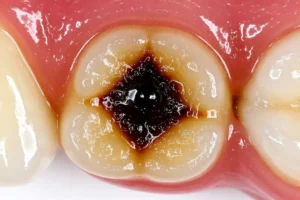
Cavities are caused by bacteria in the mouth consuming sugary foods and beverages, creating acids which attack teeth enamel, eventually wearing away and exposing dentin and pulp beneath.
Pain
A tooth cavity can be an extremely uncomfortable situation and lead to more serious dental issues if left untreated. Luckily, cavities can usually be avoided with proper oral hygiene practices and regular visits to your dentist for cleanings; however even careful brushers and flossers can develop cavities due to eating sugary food or beverages between meals, snacking between meals or not getting enough fluoride exposure.
Cavities begin when bacteria in plaque combine with sugars and starches from food and drink to produce an acid that attacks the enamel of teeth, gradually weakening it and creating small holes.
Early intervention of cavities may only require fillings; but, if left untreated, an infection could spread into the inner parts of the tooth and lead to an abscessed tooth – something which is very painful, and may require extracting altogether.
Pain is the hallmark of any cavity, but its symptoms can take various forms. How to Know If You Have a Cavity? – From mild to sharp, pain may arise when biting into food or chewing; persistent or sudden hot/cold pain could also signal a cavity. Other telltale signs may include bad breath, sensitivity to sweets, or brown or black staining on teeth.
Dentists can treat cavities at their earliest stage by applying a numbing gel directly onto the affected tooth and applying hot and cold packs on either side of the mouth to reduce swelling and alleviate any associated discomfort.
Sensitivity (How to Know If You Have a Cavity?)
Tooth decay often causes tooth sensitivity in tight spaces between your teeth, where brush bristles have difficulty cleaning properly and where cavities often develop unnoticed until they cause pain. Sensitivity to hot, cold, sweet or acidic foods or drinks is one sign you may have cavities in your mouth and should be addressed as soon as possible.
Painful cavities result when bacteria found in plaque attacks the hard, outer shell of your tooth, wearing away enamel layer by layer. How to Know If You Have a Cavity? – Over time, the acids produced by bacteria eat away at this protective shell forming small openings known as cavities which if left untreated will eventually spread deeper into its nerve endings and eventually necessitate more costly treatment procedures than initially planned for.
Prevent cavities by brushing and flossing daily, eating a diet rich in fruits, vegetables and whole grains and visiting our office for regular cleanings and checkups. Our hygienists will check for soft spots on your teeth that indicate tooth decay; using X-rays we’ll also search for hidden cavities between your teeth; the sooner a cavity is detected the sooner we can address it and save your tooth!
Discoloration
If a white spot that seems to grow larger or smaller appears on one or more teeth, it could be either a stain or cavity. Stains may not be as serious, but can still damage your tooth’s structure. How to Know If You Have a Cavity? – To determine the proper diagnosis, consider whether the discoloration appears across multiple or single teeth – larger areas and spans suggest cavities rather than stains as likely culprits.
Tooth decay is caused by bacteria and acid attacking the hard protective enamel that covers your teeth, wearing away calcium and minerals from them and eventually leading to demineralization – leading to pits or holes known as cavities in your tooth that require treatment or risk leading to complete loss of your enamel. Left untreated, it can have serious repercussions including pain in your oral health or even tooth loss.
Early intervention for cavities is key to their prevention and recovery. Brushing (at least twice a day) and flossing with an interdental cleaner daily are effective means of combatting them, along with drinking plenty of water throughout the day to increase saliva flow – this will help clear away food debris while neutralizing acids that attack teeth and promote saliva flow that helps fight cavities by neutralizing acids that break them down further.
Attaining regular dental cleanings and exams is equally essential. Your dentist can detect cavities early, when treatment will be easiest. How to Know If You Have a Cavity? – He or she will use tools such as dental mirrors, explorers and x-rays to detect them; should any symptoms or dark spots appear immediately consult a dentist.
Swelling
A cavity starts as a small pit in your tooth’s hard, protective enamel. Bacteria in your mouth feed on sugary foods and beverages that turn into acids that attack its enamel, creating vulnerable spots where saliva cannot repair quickly enough. Left untreated, cavities can grow until they reach pulpitis-level infection; leading to severe complications and possibly death.
Swelling can be an early indicator that your cavity has progressed from being an easily treatable issue into something more serious and complicated. If you experience slight pain or sensitivity when eating hot or cold food or beverages, or it worsens over time, visit your dentist immediately for an inspection.
At more advanced stages of cavity development, an advanced cavity can cause continuous, throbbing pain that doesn’t seem to go away. This indicates that it has penetrated deep within your tooth where nerves and blood vessels reside, so it is imperative that you visit your dentist quickly in order to address this problem and alleviate symptoms as quickly as possible.
Although cavities may not always be visible at their infancy, your dentist can detect one with regular checkups and good oral hygiene practices. How to Know If You Have a Cavity? – Your dental exams will include checks for signs of decay such as pits, holes or discoloration that could indicate cavities are starting to form on your teeth.
While cavities can affect people of any age, they tend to be more prevalent among children and adolescents due to diet and oral care habits. Although it’s still possible for adult teeth to get cavities that weren’t there prior, especially around filling edges or chewing surfaces of molars and premolars. To minimize cavities from occurring, brush daily with fluoridated toothpaste, floss regularly to remove plaque build-up in your mouth, and schedule regular check-ups with your family dentist for cleanings and examinations to keep plaque and tartar at bay.
Holes or Cracks
A cavity forms when bacteria break down the protective enamel that covers your teeth and produce acids to erode it away, eventually leaving a hole known as a cavity – without treatment, this hole could eventually lead to infection and tooth loss. Cavities can form due to several factors including sugary beverages or snacks regularly consumed, receding gums that expose root surfaces of teeth, smoking cigarettes or taking certain medications that lead to dry mouth (xerostomia), genetic predisposition or poor brushing/flossing habits and ineffective brushing/flossing habits as well as poor brushing/flossing habits and poor brushing/flossing habits.
Home tools like mirrors and dental discs may help, but professional exams are the best way to detect cavities. How to Know If You Have a Cavity? – A dentist can use metal probes to check for soft spots on your tooth surface while X-rays may detect cavities not yet visible to the naked eye.
Making time to see your dentist every six months is one of the best ways to prevent cavities from growing and stop their progression. Once caught early, cavities can often be easily treated – fillings may repair a small cavity while fluoride varnish or gel may help remineralize tooth enamel and prevent future damage. Cavities that advance between teeth require more extensive treatments, including root canal or crown procedures – in order to avoid these serious complications, make sure you practice good oral health by brushing and flossing regularly, seeing your dentist for regular cleanings, and scheduling bitewing X-rays every 6 months.
Bad Breath
The foul odor often associated with cavities isn’t just an innocent joke; it’s the direct result of tooth decay infection. Bacteria digesting food particles trapped inside decay pockets produce volatile sulfur compounds that give bad breath its distinctive smell, masking temporarily with mouthwash or mints but never truly disappearing until they have been professionally extracted from their cavities.
Tooth decay is a prevalent issue that impacts people of all ages and backgrounds. It begins when sticky bacteria called plaque builds up on teeth, feeding on sugary or starchy foods and producing acids which attack tooth enamel. Without regular brushing and flossing, plaque hardens into tartar which only dentists are equipped to scrape away. How to Know If You Have a Cavity? – If left untreated cavities may lead to pain in teeth, sensitivity, tooth loss and serious health concerns that require expensive dental visits for removal.
To prevent cavities, the best strategy is to brush twice daily with fluoride toothpaste, floss daily and have regular dental check-ups. Drink plenty of water throughout the day as this promotes saliva production which in turn washes away bacteria and food debris, and reduce sugary snacks or drinks to limit bacteria build-up and food deposits from your mouth. Chewing on sugar-free gum containing natural sweetener xylitol may also help.
If any of the signs listed above have surfaced for you, it’s essential that you schedule an appointment with a dentist immediately. They can assess your oral health and identify whether a cavity exists before providing advice and treatments to restore a healthy smile. Contact us now to arrange your next visit! We look forward to meeting with you.