When purchasing a fire extinguisher, seek one certified by nationally recognized laboratories. It should have a label confirming its safety and efficacy against fires which might occur in your environment.
Class A extinguishers are designed to put out fires caused by ordinary solid combustibles like fabric, paper, wood and many plastics, in addition to oil and gasoline fires.
Class A Fire Extinguisher
Class A fire extinguishers typically consist of foam or water and are designed to extinguish common combustibles like wood, paper, cloth and trash. By creating an oxygen-depleting layer over the fuel source and cooling off burning material simultaneously, class A extinguishers smother fires while protecting it from reigniting again.
Multipurpose fire extinguishers are the cornerstone of residential safety. A multipurpose dry chemical fire extinguisher that meets all three A, B and C standards is recommended; typically these contain a pressure gauge for visual monitoring of its capacity. These products are also known as multi-use or ABC fire extinguishers as they contain monoammonium phosphate (MAPP), an agent proven effective against all three classes of fire by smothering them out quickly.
Home improvement stores generally stock class A, B and c fire extinguishers that meet national testing laboratory requirements for use. If possible, look for one with either the UL or CSA label to make sure its integrity has been thoroughly evaluated; additionally this label will indicate its coverage area as well as weight and target size specifications.
Class B fires involve highly combustible materials like gasoline, oil, paint, propane and butane that are extremely hazardous and difficult to extinguish. Specialized equipment must be used, but fire extinguishers designed for class B fires such as carbon dioxide or ordinary (BC-rated) dry chemicals (or clean agent extinguishers like AFFF or FFFP systems which release foam substances to smother flames) can reduce risk by interrupting chemical reactions essential for combustion.
Class C fires involve electrical equipment like computers, appliances, fuse boxes and wiring that may result in serious injury or death if left unattended. When dealing with class C fires it’s imperative that immediate action be taken – no use of water or any conductive materials as doing so could cause an electric shock. Instead turn off or unplug all electrical devices before trying to extinguish them using fire extinguisher with base of the flame and squeeze handle to release agent into it if applicable.
Class B Fire Extinguisher
Class B fires occur when flammable liquids or gases, such as propane gas or butane, come into play. These fuels form part of the triangle of fire: heat, oxygen and fuel itself. Because these fuels are highly volatile and dispersed rapidly during combustion, class B fires may spread quickly while producing toxic fumes which pose risks both to people and the environment.
Class A fires, which can typically be extinguished with water-based methods, require special equipment in order to effectively extinguish them. Traditional water-based techniques may spread flammable liquids around and relight them causing difficulty controlling these complex flames.
Class B fires involve the ignition of flammable liquids or gases that can be extinguished using dry chemical extinguishers to stop them reigniting, typically found in industrial facilities or commercial kitchens. They should only ever be used when liquids such as these are present to ensure effective results.
If selecting a class B fire extinguisher, look for one with a numerical rating that indicates how large an area it covers and the maximum amount of flammable liquid it can extinguish – this will allow non-expert users to safely operate it effectively and safely.
A “C” fire extinguisher should be used on electrical hazards like computers, machinery and wiring in order to quickly put out fires before they cause significant damage or injuries. There are a few different types of class C extinguishers available that are suitable for class C fires including carbon dioxide extinguishers, dry chemical and foam versions – ensure it meets ANSI/ULC safety standards before purchasing one!
To prevent fires of this sort in your facility, conduct regular inspections of all electrical equipment to identify potential issues and address them prior to them becoming potential sources of flames. Furthermore, invest in a monitoring system with real-time alerts of temperature or material changes or the presence of combustible materials – taking such preventative steps will greatly lower the risk of class B fires in your facility.
Class C Fire Extinguisher
ABC dry powder extinguishers may damage electrical appliances or tools that are plugged in, while Class C fires involve nonconducive liquids or gases which must first be smothered before their materials can be cooled off with water – often found in restaurants, kitchens or workshops where grease and oil might be present.
These extinguishers contain ammonium phosphate or multipurpose agent that works like dry chemical agents but has the added cooling feature to further prevent fuel ignition. Multipurpose extinguishers are usually approved for Class B and C fires; some even fit the bill for Class A situations.
Some fire extinguishers use liquid that creates a barrier around burning material to block oxygen, while others rely on pressurized carbon dioxide gas as an extinguishing agent – this gas is safe for electrical equipment unlike pressurized water which could potentially damage delicate and expensive machinery.
Clean agent fire extinguishers can also contain Halon or similar odorless, non-corrosive and rapidly evaporating chemicals to effectively extinguish class B and Class C fires, sometimes even class A ones if the flames are small enough. These extinguishers have also proven successful against class A blazes when used appropriately.
Your facility’s ideal extinguisher selection depends on its likelihood and severity of fires; and on their combustibility. Furthermore, its size should suit its storage/use location appropriately. Small extinguishers are designed for homes and smaller workspaces, while larger models are best used in offices, warehouses and workshops. Weight should also be considered when selecting an extinguisher, since heavier extinguishers may be difficult to use and control during an emergency situation. A reliable fire protection company can assist in assessing risk and selecting an ideal extinguisher type suited to your requirements; additionally, regular inspections will keep your extinguishers ready in case of emergencies.
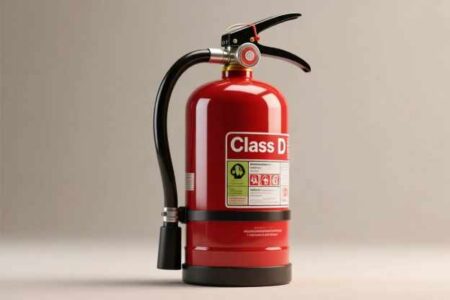
Class D Fire Extinguishers for Combustible Metals
Combustible metals such as magnesium, titanium and zirconium present serious fire risks in environments where machining and manufacturing operations take place. Luckily, such fires can be mitigated through implementation of appropriate safety measures and training programs.
Different industries face unique fire risks depending on the materials, machinery and equipment employed in their operations. There are various classes of fire that must be extinguished with specific extinguishers to combat.
Types of Fires
There are various classes of fires, depending on the materials and equipment used by various industries. Class A involves ordinary combustibles like paper, cloth and wood while Class B encompasses flammable liquids like fuels and oils; Class C involves electrical equipment and appliances while Class D involves metals that burn combustibly; these specific instances require special extinguishers to put out.
Combustible metals like magnesium, titanium, zinc, zirconium, aluminum, sodium and potassium are highly dangerous when they catch fire. Their combustion can rapidly reach high temperatures and cause serious damage as well as toxic fumes that could even prove deadly – unlike most fires which can be put out using water or common foam types; in fact, Class D fires cannot even be suppressed using these means, further fuelling their spread.
Due to their unique hazards, all workplaces should have a plan in place for dealing with Class D fires. Whether this means installing portable hand-held extinguishers or an automatic fire suppression system, having an effective strategy in place for dealing with Class D blazes early is key to keeping workplaces safe.
Portable Class D fire extinguishers work by smothering flames by cutting off their oxygen supply. Usually containing powdered graphite or granular sodium chloride to isolate flames so they cannot continue growing and spreading, Class D extinguishers provide immediate results in emergencies where oxygen supplies cannot keep up.
Companies can utilize automated fire suppression systems designed to protect machinery and sensitive areas beyond handheld class D fire extinguishers. Such systems can be integrated directly into machines, connected with detection tubing and automatically activated by fire alarms for greater effectiveness and reduced disruption compared to hand-held extinguishers in stopping fire from spreading rapidly through equipment.
Clean agent fire extinguishers are another great way to fight electrical equipment fires without risking damaging its electrical components. A clean agent fire extinguisher uses non-conductive and non-corrosive agents that don’t react with lithium metals found on aircraft avionics areas without harming electrical components or combustible materials like aluminum. These extinguishers make an excellent addition when stored inside aircraft avionics compartments without disrupting aircraft wiring or components.
Extinguishing Agents
Class D fire extinguishers use a dry powder agent designed specifically to smother metal fires by isolating oxygen from fuel (combustible metal). Additionally, this type of agent absorbs heat so the fire doesn’t rekindle like with other classes of fire. These extinguishers are commonly found in environments with plenty of metal shavings or dust present such as factories and machine shops where fire hazards arise regularly.
Class D fires pose a serious threat to businesses that work with certain metals such as magnesium, titanium and aluminum. These metals can burn at extremely high temperatures and react violently when exposed to traditional firefighting methods like water or foam; in addition, toxic fumes may require specialized approaches for protection.
Specialty metal extinguishers employ a unique mixture of sodium chloride to fight fires caused by these materials. When applied directly onto burning metal surfaces, its powder form quickly caked onto it to form an impenetrable barrier which excludes air and dissipated heat quickly – both Amerex B570 30-pound stored pressure hand portable or model 680 125-pound cylinder operated wheeled extinguishers are effective against these fires; even uranium, zirconium and magnesium-potassium alloy fires have been controlled successfully with this agent!
Fire extinguishers aren’t the only means of combatting class d metal fires; other strategies, including blankets and spray cans, exist. A fire blanket may help smother flames by covering burning material; spray cans could contain it by eliminating oxygen supply to it.
Setting up an effective fire safety plan is integral for businesses dealing with flammable metals. Having the appropriate extinguishers on hand is also key, protecting workers and mitigating risks from these potential fires. At Koetter Fire Protection we carry an assortment of certified extinguishers ranging from hand portable units to large warehouse cylinders; for more information about which will best fit your facility reach out today!
Training and Consulting
Fire safety requires both proper equipment and training on how to use it correctly. At Koorsen Fire & Security, the staff can assist in selecting hand portable and wheeled fire extinguishers tailored specifically for workplace hazards and then provide training so your employees are prepared should an outbreak ever arise.
Fire extinguisher training teaches individuals and groups the proper techniques for using each type of extinguisher to quickly put out flames, thus minimizing damage. Our courses can be tailored specifically to meet individual or group needs.
Class A materials include wood, paper, cloth, trash and many plastics; Class B includes gasoline, oil and paint that could ignite easily; Class C refers to electrical equipment like motors transformers and appliances while Class D includes magnesium aluminum potassium alloys combustible metals can ignite quickly too.
Dry chemical fire extinguishers work by interrupting the chemical chain reaction that drives fire triangles, isolating oxygen from fuel sources while stopping oxygen’s contribution. They’re effective on Class B and C fires; in certain instances they can also be used on Class A ones.
Water and foam extinguishers remove the heat element from a fire triangle, making them effective against both Class A combustibles as well as both hydrocarbon and polar solvent varieties of Class B flammable liquids. Carbon dioxide fire extinguishers separate oxygen and heat elements of a fire triangle; they should only be used on Class B&C fires while being ineffective against Class A-class fires.
No matter the nature of fire risk at your facility, it’s impossible to completely mitigate all risks. By taking proactive steps for both prevention and suppression measures, however, damage to equipment or personnel can be significantly reduced.
Safety Measures
Combustible metal fires pose a substantial danger to building occupants. Their flames reach temperatures that often surpass 1000F and generate much molten metal, which poses serious physical injuries as well as property damages. A class d fire extinguisher can mitigate these hazards when used correctly; to make sure this happens efficiently it’s important that employees receive training on its proper usage within 75 feet of combustible metal work areas.
Not only are combustible metal fires dangerous, they are difficult to extinguish as well. While traditional fire suppression methods such as water, carbon dioxide and foam may work to put out small flames, they’re ineffective against larger flames due to water reacting with its combustible metal components, increasing fire intensity and spreading flames further. Other methods like fire blankets require close range human intervention which may present its own set of dangers.
Class D fires require the use of special extinguishing agents, and dry powder agents are often the best choice. Composed of materials like graphite powder, sodium chloride and copper, dry powder agents work by creating a protective crust over burning metals to cut off oxygen supply while simultaneously absorbing significant heat energy to lower their temperature and prevent re-ignition – this type of extinguisher is particularly helpful in aerospace, automotive and battery manufacturing environments where combustible metals are widely utilized.
Class D fires are particularly hazardous as they self-feed. Breaking apart water molecules releases hydrogen gas that fuels their own fire, making these types of fires common in industrial settings where combustible metals may be stored or handled.
Regular fire safety measures such as creating an effective prevention plan and conducting regular drills can go a long way towards mitigating class D fire risks in companies. But no matter how careful a company practices its fire safety, having access to appropriate tools in case of emergencies remains essential – the F-500 EA from HCT offers just such protection to ensure employee safety in case an unexpected fire outbreak should arise.