Without prompt treatment, tooth infections can rapidly escalate into life-threatening complications that (How Long Until a Tooth Infection Kills You? – Antibiotics for Tooth Infection) threaten survival and can even result in sepsis; an illness which poses the greatest danger in those with weak immune systems, including people living with diabetes or using chemotherapy/steroids treatments or HIV/AIDS.
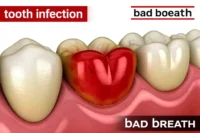
Tooth decay typically takes months to reach its root canals; once in, infection can spread quickly into jaw/facial spaces or the bloodstream. Seek emergency dental care immediately if swelling and pain arise, especially if they accompany fever-like symptoms.
Dental Abscess – How Long Until a Tooth Infection Kills You?
Tooth infection is a potentially life-threatening medical condition. When bacteria infiltrate the pulp of a tooth and create an abscess (pocket of pus), symptoms may include pain, swelling, fever and more – making emergency dental care vitally important when there’s any suspicion of an infection.
An abscess can often result from severe tooth decay or gum disease, as bacteria eat away at the hard outer layer of teeth until reaching their inner soft tissues. Trauma to teeth such as cracked or chipped ones may allow even quicker access for bacteria into the pulp area of teeth.
Once bacteria reach the pulp, they begin multiplying quickly, leading to an accumulation of pus that creates intense and prolonged pain. Once bacteria die, this pain may subside; however, infection could still spread further, possibly leading to severe complications like brain abscesses or osteomyelitis.
Once an infection enters the bloodstream, it can quickly progress into life-threatening systemic illnesses like sepsis and be fatal without treatment being provided immediately. How Long Until a Tooth Infection Kills You – Without such emergency assistance, death typically follows within days unless emergency care is administered immediately.
Signs of infection include pain, swelling, fever and difficulty opening or chewing your food. Over-the-counter painkillers such as ibuprofen or paracetamol should be used until visiting a dentist; however these drugs should not be administered to children under 16.
X-rays and dental exams are the ideal methods of diagnosing an abscess, as these tests can reveal sources of infection as well as its progression and degree. Your dentist may recommend antibiotics in order to avoid further complications.
Tooth Infection Symptoms
As soon as bacteria gain entry to your tooth through deep decay, cracks or chips, gum disease or any other means, an infection occurs within its pulp area containing nerves, blood vessels and connective tissue. When left unchecked it can develop into a dental abscess; an accumulation of pus-filled sacs that causes severe pain with swelling, heat sensitivity and other symptoms of an abscess.
An untreated dental abscess can be both painful and life-threatening if left untreated promptly. Without immediate treatment, an infected tooth could erupt and spread throughout your mouth or even neck and bloodstream, potentially leading to sepsis — an acute systemic reaction which compromises organs and can result in death.
Signs of tooth infection include throbbing pain, swollen cheeks and jaw, fever, bad breath and swelling in either gums or faces. How Long Until a Tooth Infection Kills You – A dentist can often remedy an individual tooth’s infection by opening its top with a drill and draining away pus with needle.
While it remains valid to wonder how soon a tooth infection will kill, modern treatments make such fatality very unlikely. By visiting and following advice of your dentist, severe complications such as dental abscess can be prevented.
Since 17th and 18th century Europe, untreated tooth infections were one of the leading causes of death. While this remains rare today, it’s essential that people understand just how dangerous an untreated infection can be and seek emergency care immediately if symptoms of infection emerge. A tooth infection can spread to other parts of your body and even be fatal if left untreated – modern treatment options provide antibiotics or root canal procedures as an antidote in order to resolve infections without spreading.
Tooth Infection Treatment
Unless properly treated quickly, tooth infections can quickly spread throughout your body and even become life-threatening. This occurs as your immune system attempts to fight invading germs but instead triggers an system-wide inflammatory response which leads to sepsis – an extremely dangerous condition in which organs begin failing and cause respiratory failure, brain abscesses, and cardiovascular issues.
symptoms of a tooth infection include throbbing pain, foul-smelling breath, bad taste in the mouth and fever or flu-like symptoms. How Long Until a Tooth Infection Kills You – As the infection advances, pus pockets or abscesses may form along the gum or cheek area and leak pus out through gum or cheek areas; left untreated they could spread further into neck spaces, bloodstream and airways resulting in serious complications like endocarditis (an inflammation of heart valves), cavernous sinus thrombosis, Ludwig’s angina (rare but severe bacterial infection under tongue), bone infection (osteomyelitis) or bone infections (osteomyelitis).
An infection of a tooth has several treatments available to it, such as root canal therapy which involves extracting damaged pulp tissue and disinfecting root canals before sealing them, antibiotics can kill any remaining bacteria that remains and help relieve symptoms, in some instances the dentist may suggest draining an abscess to alleviate pressure and drain away excess fluid, but extraction may often be required if the infection has spread too far to be managed effectively.
Poor oral hygiene increases the risk of infections. Cracked or chipped teeth, sugary diet, gum disease or untreated dental injuries all pose risk factors for infection.
People living with diabetes, kidney disease or autoimmune conditions have an increased risk of tooth infections due to compromised immune systems. Malnourishment also can reduce immunity against infections. For this reason it is crucial that they eat well, brush and floss regularly and visit their dentist regularly – prevention is always better than treatment of infections once they arise!
Prevention
An infection of your teeth occurs when germs invade nerve or soft tissue of the tooth, causing symptoms like pain, swelling and pus formation. How Long Until a Tooth Infection Kills You – Left untreated, this infection can spread to gums, jawbone, bloodstream and other tissues – life-threatening complications including sepsis, Ludwig’s angina or endocarditis could arise; modern medical treatment often prevents such serious outcomes from taking place.
Signs that a tooth infection is developing include swollen or painful gums, bad taste in your mouth and fever. Signs of severe infection include sudden pain or swelling onset, difficulty breathing or pus around an infected area – should these occur you should seek dental advice immediately to stop further spread of infection. If these occur arrange an appointment immediately in order to stop further spread of disease.
Though it may be hard to know when exactly an infected tooth will cause death, it is vitally important that treatment be sought as soon as you detect one. Home remedies may help ease discomfort until you can visit your dentist – for instance saltwater rinses, ice packs and over-the-counter pain relievers like ibuprofen or naproxen may help. You could also try mixing equal parts hydrogen peroxide and water into a solution for mouth flushing purposes.
Particularly crucial in those with weak immunity such as those undergoing chemotherapy treatments or suffering from HIV is seeking medical advice regarding any tooth infection as it could quickly worsen into sepsis or Ludwig’s angina, both potentially lethal conditions.
Schedule regular dental appointments so that cavities can be detected and addressed promptly, with professional cleanings to remove tartar and plaque before it causes infection. How Long Until a Tooth Infection Kills You – In addition, avoid sugar-laden food and drinks and brush your teeth using proper techniques; teeth infections are potentially deadly; following these simple steps could save your life!
Antibiotics for Tooth Infection
Tooth infections (also referred to as dental abscesses) can be treated using antibiotics. Amoxicillin is one of the most frequently prescribed antibiotics.
Even if you start feeling better early in your treatment regimen, it is vital that you complete it completely as failure to do so could leave bacteria alive and resistant to antibiotics – leading to another bout.
How Antibiotics for Tooth Infection Works
Antibiotic treatments for those experiencing painful or swollen teeth can help stop bacteria from multiplying and spreading infections that lead to abscesses (pus-filled pockets of infection). Therefore, antibiotics may be essential in healing any abscesses that form, including abscesses that have formed within an abscess (a pus-filled pocket filled with infection).
Dentists typically prescribe amoxicillin for tooth infections as it’s one of the top first-line antibiotics, providing effective protection from many harmful bacteria while having minimal side effects compared with other options. How Long Until a Tooth Infection Kills You – Amoxicillin may also be effective against painful infections that haven’t responded to other treatment procedures like draining an abscess or performing root canal therapy.
Infections of the mouth, including painful tooth or abscess infections, can develop for various reasons such as deep cavities, gum disease, cracked or chipped teeth or an injury to one of them. Abscess infections may be painful but seeing a dentist immediately should always be considered important as untreated dental infections can spread into bloodstream and potentially affect vital organs like the brain.
Antibiotics don’t treat infections in the mouth directly, but they do alleviate pain and help stop further spread of infections. For tooth infections specifically, amoxicillin (an antibiotic in the penicillin family) is often recommended – its efficacy against various bacteria that lead to infections can make taking pills or liquid easier than ever.
Amoxicillin works to kill bacteria responsible for an infection in the mouth by stopping their reproduction and growth, effectively reducing or even eliminating an outbreak. It may also provide some pain relief; however, its full effect usually takes several days.
When taking antibiotics for a tooth infection, it’s essential that they complete their full course even when symptoms improve. Stopping early could cause the infection to return or intensify further – and could even make future antibiotics ineffective against these strains of bacteria.
How to Take Antibiotics for Tooth Infection
Accurate use of antibiotics is crucial to successfully treating tooth infections. Amoxicillin works to kill the bacteria responsible, relieving your discomfort and speeding recovery time. How Long Until a Tooth Infection Kills You – However, taking any medication may cause side effects, so it is essential that you closely monitor yourself. If any adverse reactions arise it’s important to notify both your dentist or physician right away.
Your dentist may prescribe amoxicillin in capsules, tablets or liquid suspension depending on the severity of your infection. It should typically be taken three times a day; first thing in the morning, midafternoon and at bedtime with or without food – your pharmacist can assist in finding out the optimal way to take this medicine.
Dosage will depend on your age and severity of infection. Children typically take amoxicillin in liquid or tablet form while adults typically take 250-500 mg every eight hours. Do not exceed your prescribed amount and double dose in case one was missed – even if symptoms improve quickly it is important to complete all prescribed courses as stopping prematurely may leave behind bacteria resistant to future treatment options.
People allergic to amoxicillin or other penicillin-based antibiotics will likely be prescribed an alternative such as clindamycin as this type of antibiotic can effectively combat multiple strains of bacteria without producing severe gastrointestinal side effects like amoxicillin does.
Avoid antibiotic-related diarrhea by following a balanced diet and drinking plenty of fluids. Probiotics may also be helpful in reinstating healthy bacteria back into your gut while on antibiotics.
Reserving regular dental appointments is an invaluable way of detecting any issues, such as silent infections that don’t present obvious symptoms. How Long Until a Tooth Infection Kills You – A tooth or gum infection left untreated could become much worse; for this reason it’s best to seek assistance as quickly as possible.
Side Effects of Antibiotics for Tooth Infection
An infection in the teeth can be excruciatingly painful, and antibiotics used to treat it may produce side effects. Most often these are mild and short-lived; however, more serious side effects have been known to arise occasionally – it’s therefore wise to speak with healthcare provider or pharmacist regarding your symptoms and any concerns.
Oral antibiotics such as amoxicillin typically work quickly to alleviate pain and swelling in your mouth, though their efficacy ultimately depends on which bacteria caused your infection and the severity of its symptoms as well as your individual response to the medicine.
Some of the more frequently experienced side effects from taking antibiotics are nausea, vomiting and diarrhea. These side effects often appear within days of beginning therapy but should gradually lessen over time as you continue taking your medication.
Antibiotics may trigger allergic reactions in some individuals. Rashes caused by antibiotics typically manifest as raised, itchy bumps that appear on the surface of your skin and can be treated using an antihistamine such as Benadryl. How Long Until a Tooth Infection Kills You – Serious allergic reactions should be reported immediately to 911 or go directly to an emergency room; otherwise you could risk serious injury.
Amoxicillin may cause headaches as a side effect; if this happens to you, take steps to relax and drink plenty of fluids; taking a warm bath or eating ginger could also help relieve symptoms.
Blushing and bleeding under the skin are among the more serious side effects of amoxicillin, and may indicate that your blood vessels have thinned. This may lead to tiny red or discolored spots (called petechiae) or larger areas of bruised tissue ( called ecchymosis) appearing under your skin – these symptoms should not be ignored! Seek medical assistance immediately if these appear.
As prescribed by your physician, amoxicillin must be taken for its entire course, even if your symptoms improve before your prescription runs out. Skipping doses allows bacteria to continue growing and may result in future infections which become resistant to antibiotics. Also important is informing both your physician and pharmacist of all medicines taken, including nonprescription medicines, supplements or herbal remedies.
Precautions
Antibiotics can be an invaluable asset for treating dental infections like abscesses; however, not everyone responds the same. How Long Until a Tooth Infection Kills You – Sometimes the infection will continue to worsen even after taking antibiotics, leading to further discomfort, swelling or redness of tooth or gums; bacteria may even develop resistance against antibiotics that will make future treatments ineffective.
Tooth infections occur when cavities, cracked teeth or gum disease provide an entranceway for bacteria to get into the root of a tooth or gums and cause inflammation and abscesses to form around its root tip. A periapical abscess forms around the tip of the root and is the most prevalent dental infection that requires antibiotic treatment; typically this abscess causes intense discomfort as well as facial swelling, sensitivity to hot or cold food or beverages and even bad taste in your mouth.
Antibiotics will work to eliminate bacteria that are causing infection, helping alleviate your pain and discomfort. Unfortunately, antibiotics take time to take effect; therefore, your dentist may suggest taking pain relievers, such as acetaminophen or ibuprofen every six hours for up to a week as needed – some dentists even suggest using salt water rinses in addition.
Avoiding tooth infections by brushing and flossing regularly and visiting the dentist on a regular basis is key to protecting against infections such as an abscess. Your dentist can spot potential problems early, helping you prevent abscesses before they worsen into serious infections that need hospital treatment.
Make sure to always read and follow your medication’s directions, and consult your doctor or pharmacist if there are any queries about its usage. If you miss a dose, take it as soon as you remember; but avoid taking an extra one to make up for a missed one as this could cause overdosing and harm your health. How Long Until a Tooth Infection Kills You – If keeping track of dosage proves difficult for you, ask your physician or pharmacist for a medicine dosing calendar and/or oral syringe that can assist in accurately measuring out doses accurately; additionally completing all courses of antibiotics reduces risk while curbing resistance development by keeping infection under control and reduces chances of the recurrence of infection while curtailing development of antibiotic resistance over time.