An increasing number of individuals are searching for healthier oils (Is Olive Oil a Seed Oil? – Olive Oil Extra Virgin) to use in their cooking, seeking alternatives to refined seed oils like canola, sunflower and safflower.
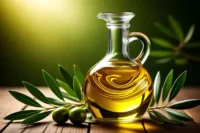
These oils contain omega-6 polyunsaturated fats that may contribute to inflammation, oxidative stress and chronic diseases. Extra Virgin Olive Oil (EVOO) is cold pressed which preserves its natural antioxidants, healthy monounsaturated fats and Vitamin E content.
What is a seed oil?
Seed oil (commonly referred to as vegetable oil) comes from plants, vegetables, or seeds like sunflower, canola or peanut. As an unsaturated fat source it’s liquid at room temperature and rich in nutrients such as antioxidants and anti-inflammatory omega-3 fatty acids – however processing methods may alter its nutritional value.
Canola and peanut oils are heavily processed. In this process, heated oil is put through a series of chemical solvents to remove impurities; this leaves residues behind that increase health risks. Meanwhile, other seed oils, like safflower and sunflower oils are extracted using heat or expellor pressure without using as many chemicals; although this method reduces chemical use considerably it still may leave trace amounts of hexane behind in its final form.
Critics of seed oils claim that their high amounts of pro-inflammatory omega-6 fatty acids contribute to chronic inflammation. (Is Olive Oil a Seed Oil? Olive Oil Extra Virgin) According to this line of thinking, linoleic acid from seed oils converts into arachidonic acid which has been linked with inflammation; however, other research indicates dietary linoleic acid does not increase levels of these inflammatory markers.
A healthy diet should include a balance of saturated, monounsaturated, polyunsaturated and omega-6 fatty acids in order to provide you with an appropriate mix of fats to protect yourself against heart disease, obesity and other related conditions. By choosing whole foods such as fruits and vegetables, lean proteins and whole grains, your diet can have the right balance of fats needed to prevent diseases like cardiovascular diseases or obesity.
Note that replacing seed oils with ultra-processed snacks and packaged foods won’t necessarily improve your health; to achieve real improvement, try opting for unprocessed options such as fresh fruits and vegetables, lean proteins and whole grains instead.
Olive Oil – Which Is the Best?
At first glance, supermarket olive-oil aisles may seem overwhelming. Extra virgin olive oil (EVOO) is the highest-grade, unrefined olive oil; virgin olive oil has up to 2% acidity content and tends to be cheaper.
Olive oil is an organic product and may degrade over time; to maintain optimal results, purchase small bottles and use them quickly.
Flavor (Is Olive Oil a Seed Oil)
Olive oil, like any food product, has its own distinctive taste. The olives themselves, their growing environment and how the oil is processed all contribute to its flavor. This is especially evident for high quality olive oils such as extra virgin olive oil (EVOO).
Olive oil is graded and labeled in accordance with various international grading systems established by various regulatory bodies, with key differences between Extra Virgin Olive Oil (EVOO) and other varieties stemming from production methods, levels of fatty acids present, flavor characteristics and flavor components.
EVOO (Extra Virgin Olive Oil) is produced through cold pressing of olives with no more than 0.8% free acidity (oleic acid). (Is Olive Oil a Seed Oil? Olive Oil Extra Virgin) It offers superior purity, flavor and health benefits over all the other olive oil grades.
The care taken when crushing and pressing olives as well as the amount of heat produced during extraction and processing determine the quality and flavor of olive oil produced from them. A quality extra virgin olive oil (EVOO) should be smooth, fruity and mildly bitter while having an intense, rich nutty aroma and taste.
Lower-grade olive oils are produced through pressing and refining with various methods, including heat. While less expensive and often having milder, less buttery flavors, they also tend to contain chemical residues and have higher acidity levels than extra virgin olive oil (EVOO).
Lower-grade olive oils are generally known as “pure” or “refined”, and may even contain elements of both types. They typically have a lighter, neutral flavor and are the most commonly used for cooking applications such as sauteing and frying. With its high smoke point and suitable heat range, lower grade oils offer numerous advantages over their more premium counterparts.
Most shoppers are familiar with refined and blended olive oils, commonly referred to as light olive oil. Light olive oil contains both refined and extra virgin olive oils in its composition; its taste, color and flavor differ significantly from that of its counterparts while still possessing monounsaturated fat and offering low calories per bottle.
Health Benefits of Olive Oil
Extra virgin olive oil contains predominantly monounsaturated fats that help to lower cholesterol and protect the heart, and provide abundant sources of antioxidants which help combat inflammation and slow aging.
Studies have demonstrated that extra virgin olive oil contains phenolic compounds which can enhance insulin sensitivity, aiding you in managing type 2 diabetes or improving its condition if already suffering. (Is Olive Oil a Seed Oil? Olive Oil Extra Virgin) A diet high in olive oil has also been found to reduce risks by 13%.
Olives contain oleic acid, which has been linked with lower risks of cardiovascular disease and stroke. Regular consumption of extra virgin olive oil (EVOO) may help decrease blood pressure while simultaneously increasing HDL (the good cholesterol) levels.
EVOO contains multiple antioxidants known to reduce chronic inflammation, including one called oleocanthal which has been shown to act like ibuprofen by relieving pain and swelling symptoms, helping with arthritis, Alzheimer’s, depression and more.
Studies of 7,600 senior citizens conducted by UCLA revealed that those who regularly consumed olive oil had 41% lower risk of stroke compared to people who did not consume any olive oil at all. It’s thought that anti-inflammatory properties of oleic acid and antioxidants present in olive oil play an integral part in this reduced risk.
Olive oil’s oleic acid has long been recognized for its ability to lower blood triglycerides and protect low-density lipoprotein (“bad”) cholesterol from oxidation, which can contribute to heart disease. Furthermore, research indicates it reduces atherosclerosis rates – narrowing and hardening of arteries which can lead to heart attacks or strokes.
Monounsaturated fats, unlike saturated and trans fats, are more heat resistant. You can safely use extra virgin olive oil (EVOO) when cooking at medium temperatures; however, its smoke point (340 degrees Fahrenheit) must not be exceeded or it will begin breaking down and producing toxic fumes; storage should also take into consideration that direct sunlight could speed the degradation process more quickly than other oils.
Uses of Olive Oil
EVOO is ideal for salads and finishing drizzled onto foods after cooking, and also makes an ideal sauteing and low-heat frying oil. Other olive oils may work, too, though their flavors may differ considerably; look out for best-by dates/harvest dates to determine how long they’ll be good.
Avoid supermarket products labeled “olive oil,” as these tend to be lower-grade refined oils that have been bleached and deodorized to remove defects, giving it less of an olive-y flavor than extra-virgin olive oil (EVOO). (Is Olive Oil a Seed Oil? Olive Oil Extra Virgin) They may still work for higher heat cooking applications, though, as well as replacing other non-virgin oils like canola or vegetable in recipes; but won’t provide as many health benefits.
Although extra virgin olive oil (EVOO) may be the most costly type of olive oil available, it’s also one of the healthiest options as it contains high concentrations of monounsatured fatty acids (MUFAs) to lower your cholesterol levels and risk for heart disease. Furthermore, it contains oleuropein which has been proven to help decrease blood pressure levels.
All olive oils offer many healthful attributes, and even lower-grade varieties can benefit your body. Finding an oil that you enjoy using is important, and remember that overusing may hasten its oxidation process and eventually go rancid faster. Store it in dark colored glass bottles away from direct light for maximum shelf life and freshness.
As a general guideline, all types of olive oil should be stored at room temperature, away from heat sources such as light bulbs or stoves. Overexposure to heat can cause it to go bad quickly; for optimal storage conditions be sure to store in a cool and dry location such as a cabinet or pantry. (Is Olive Oil a Seed Oil? Olive Oil Extra Virgin) Furthermore, look for bottles which include their country of origin information near their ingredient list on the back label of their bottle.
Price of Olive Oil
Olive oils come in all varieties on the market today, from more expensive varieties to those available for less money – but which is best in terms of taste and health benefits? Unfortunately, it’s impossible to provide a straightforward answer because different oils undergo different processing and extraction processes, which determine their taste, aroma and nutritional values. Selecting an appropriate olive oil could lower your risk for heart disease while supporting healthier skin, hair and eyes.
Olive oil, made from the fruit of Olea europaea olive trees, has been consumed as food and medicine for more than 7,000 years. Most olives worldwide come from Spain, Italy, Greece and Turkey and its monounsaturated fat content may help lower cholesterol levels.
Manufacturers produce and market olive oil in a range of grades, depending on its production method, amount of MUFA content and acidity level. Common grades are virgin, extra virgin, light and pure olive oils which are overseen by various international governing bodies.
Extra virgin olive oil is the most expensive variety, produced solely with first press olives. (Is Olive Oil a Seed Oil? Olive Oil Extra Virgin) Often fruity in flavor with higher acidity levels than other grades of olive oil production processes, its production also costs more.
Virgin and extra virgin olive oils are typically the least processed varieties available and offer more flavorful uses, like drizzling over salads or adding to soup. Their low smoke point may result in off-flavors when heated too rapidly; use caution if using this oil when cooking!
Olive oil should be stored in dark bottles away from direct sunlight in order to preserve its quality and extend its shelf life – which generally lasts around a year or less. When selecting olive oil bottles for purchase, ensure the date on them matches up with recent vintages as older olive oil may lose flavor over time; in general it is recommended to consume it soon after purchase as its flavor can become diminished over time, like wine.
What are the health risks of seed oils?
Although some health influencers blame seed oils for various issues, including chronic inflammation, scientific studies do not back these claims. Debate has focused on eight common cooking oils – canola, corn, cottonseed, linseed, peanut, safflower and soybean – which provide heart-healthy monounsaturates as a replacement to saturated fats as well as essential omega-6 fatty acids that our bodies cannot produce naturally and thus reduces the risk of heart disease and stroke. Organizations such as World Health Organization and American Heart Association recommend people include these healthy oils in their diets regularly.
Critics of seed oils also express concern over their omega-6 content, and believe these fats contain large quantities of omega-6 fatty acids which our bodies convert to pro-inflammatory substances such as arachidonic acid – this may lead to various ailments including digestive discomfort and joint pain, cardiovascular disease, diabetes, depression and anxiety.
Remember, all fats are nutritious when consumed in moderation and that our bodies require various kinds of fat to function optimally. (Is Olive Oil a Seed Oil? Olive Oil Extra Virgin) A diet low in saturated, polyunsaturated and omega-3 fatty acid intake has been associated with better overall health outcomes and decreased risks of chronic diseases.
Concerns have been voiced regarding the processing of seed oils using hexane as a refining agent, however. Hexane is a toxic chemical that is detrimental to both environment and human health; however, Decker claims that most of it evaporates during heating processes such as steam distillation or high heat refinements; both remove any lingering traces of hexane residue.
Others have raised issues regarding the use of these oils in fast food and other processed food items. Some believe repeated exposure to high temperatures can lead to the formation of harmful trans fats linked to heart disease; however, researchers are unsure whether this is true of all processed food containing these oils as other factors such as added sugars, nitrates or salt may contribute more than simply type of fat itself.
What are the nutritional benefits of olive oil?
Olive oil is unique among cooking oils in that it contains no carbohydrates, dietary fiber or protein – something most other cooking oils do contain – making it stand out and contributing to its many health benefits, from improved cholesterol levels to lowered risks of heart disease and cancer. Olive oil’s benefits stem from its abundance of monounsaturated fatty acids and polyphenol compounds which act as antioxidants.
Olive oil contains several phenolic compounds such as tyrosol, hydroxytyrosol, oleocanthal and oleuropein which have been shown to fight oxidative stress, thus helping protect against cancer, reduce blood pressure and decrease inflammation. (Is Olive Oil a Seed Oil? Olive Oil Extra Virgin) These antioxidants have also been proven to help fight oxidative damage which could help lower inflammation.
Extra virgin olive oil (EVOO) offers more than its fair share of polyphenols when it comes to its anti-inflammatory benefits; in fact, extra virgin olive oil contains high concentrations of monounsaturated fats known for this purpose and an abundance of vitamin E, both known to protect against heart disease as well as support skin health.
Other varieties, such as refined and “light” varieties, contain less beneficial compounds due to further processing; however, even these more processed varieties still contain polyphenols and antioxidants.
Olive oil’s smoke point, or the temperature at which its smoke begins to form, is another key characteristic. Different cooking methods require oils with different smoke points – for instance when frying food at higher temperatures you should opt for high-smoke point oils like canola or avocado oil for best results.
Ancient Greeks knew what they were talking about when they declared olive oil an elixir of youth and health, as evidenced by its widespread popularity today as a healthy cooking and dressing oil. Olive oil can be used in numerous recipes today – mix it with balsamic vinegar and mustard for an easy salad dressing or drizzle it over roasted vegetables for a flavorful topping! It can even help moisturize dry skin or hair. But keep in mind that too much olive oil consumption could result in weight gain due to exceeding daily calore needs – excessive consumption may even cause digestive distress due to fat content within it – both factors leading to potential weight gain in addition to adverse health changes caused by too much fat content within it!
Which is better for you?
If you want the health benefits of olive oil, extra-virgin olive oil (EVOO) may be best. Produced mechanically from ripe olives without heat or chemical solvents, EVOO helps preserve antioxidant compounds called phenols that provide extra health benefits and may also have lower saturated fat than other cooking oils and can even be used at higher temperatures.
Recent studies suggest that consuming an olive oil-rich Mediterranean diet could reduce heart disease risk and stroke severity. (Is Olive Oil a Seed Oil? Olive Oil Extra Virgin) Extra Virgin Olive Oil (EVOO) has been proven to lower LDL cholesterol levels significantly; researchers speculate its combination of anti-inflammatory and antioxidant compounds might play a part.
Olive oil may have the power to prevent other chronic diseases, including cancer, type 2 diabetes and dementia. Furthermore, olive oil can help you control your weight by slowing digestion and increasing satiety levels – so less likely will you be to overeat.
Pure and light olive oils are more moderately processed, giving them a milder flavor. In order to enhance their appeal before bottling and selling them, these olive oils often mix in virgin or extra-virgin olive oil to give flavor before being sold; as a result they contain far fewer beneficial phenols.
No matter its quality, any type of olive oil is healthier for you than refined plant oils such as canola or corn oil, which have been highly processed and linked with inflammation and heart disease.
If you’re curious to add olive oil to your diet, start slowly by increasing the amount you use each week. Use olive oil in salad dressing, drizzle it over roasted veggies or use as finishing oil on meat dishes. If cholesterol is an issue for you, consult with healthcare professional prior to adding olive oil; monounsaturated fatty acids in olive oil are known to lower heart disease risks when substituted for saturated fats in diets that are low in carbohydrates but high in fiber content.