Sneezing is a natural part of cat biology and minor episodes aren’t anything to worry about; (Why is My Cat Sneezing a Lot?) however, if your cat’s sneezing persists they should visit a veterinarian immediately.
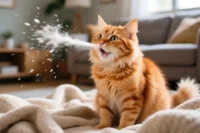
Veterinarians can conduct various tests to diagnose what is causing your pet’s sneezing. Rhinoscopy (a diagnostic technique performed under anesthesia to examine nasal passages for tumors, fungal plaques or foreign objects) can provide valuable clues as to the source of their distress.
Dust
Sneezing in cats usually serves to expel foreign particles lodged in its nasal passages. These materials may be biotically (living) or non-living (non-living). Biotically produced substances include dust, pollen and dead skin cells that may also irritate or trigger allergies; when these enter the nasal passages and cause irritation and inflammation they trigger cats’ natural defense mechanism – which usually prompts them to sneeze.
Dust is created through various environmental processes. Soil erosion is one of the primary sources, with wind dislodging soil particles into the air. Other natural causes for dust production include volcanic eruptions, evaporation from water sources and decaying organic matter; even our constant sheddance of skin cells contributes to dust production.
Dust particles adhere to each other through weak forces between their molecules, which allow for them to clump together into larger clumps, sometimes known as “dust bunnies,” that are difficult to reach areas in our homes and corners. Dust can contain numerous harmful chemicals including pesticides and funguses as well as pet dander – two factors which should be kept in mind when cleaning around pets and people alike.
When your cat begins sneezing frequently, it is important to observe patterns. Is your pet experiencing episodes during specific times or places during the day or at specific activities or after specific experiences in certain rooms? Such clues could help identify whether their sneezing may be due to cleaning products, perfume or candles as potential triggers; also remember to note whether there are associated symptoms like watery eyes or loss of appetite with their sneezing episodes.
Allergens – Why is My Cat Sneezing a Lot?
Sneezing is one of the body’s natural ways of eliminating allergens – substances recognized as being harmful by our immune systems – like pollen, pet dander or bee stings. Allergies may also arise due to certain foods, drugs or chemicals being taken. Symptoms vary depending on which allergen your animal is reacting against and their level of exposure: for instance if they come into contact with poison ivy while touching it directly they could get an itchy rash; while inhaling pollen or pet dander can lead to runny noses causing runny noses from breathing in allergens or pet dander may result in runny noses from breathing in pollen or pet dander causes runny noses from breathing in pollen or pet dander causes runny noses!
As humans are, cats may also be susceptible to environmental factors like dust, pollen and cleaning products that contain perfumes; when your cat sneezes after candles have been lit or cleaning products used around the home could be the source. Switching these out for non-toxic alternatives and creating an atmosphere with low dust levels may help relieve symptoms more effectively.
Allergies may also be caused by an underlying medical condition like feline leukemia, which often has few symptoms but if left untreated can cause respiratory issues including sneezing. A regular visit with your vet is the key to diagnosing and treating such issues before they worsen further.
Fungal infections may also contribute to cat sneezing; if your pet’s sneezing coincides with runny noses, watery eyes, or coughing fits, it’s best to consult a veterinarian immediately.
Finally, it is important to keep in mind that vaccination can sometimes cause cats to sneeze. While mild sneezing after vaccination should pass within days or even hours of being given shots, if your cat seems lethargic after getting shots and you are concerned – get in touch with your vet right away so they can provide further details and answer any queries that arise; additionally they may recommend preventive vaccines which will keep them healthy while also helping avoid future sneeze episodes – prevention is ultimately the best medicine!
Respiratory Infections of Why is My Cat Sneezing a Lot
If your cat is constantly sneezing, they could be suffering from a respiratory infection. Feline herpesvirus (FHV), the primary culprit behind such symptoms, can often cause frequent episodes of sneezing and nasal discharge, especially during times of stress. Furthermore, FHV can worsen existing conditions like chronic upper respiratory infections or dental disease, making life even harder for you both!
An additional potential problem can be sinus or nasal abscesses, which may cause sneezing and other symptoms. They could be caused by bacteria such as Bordetella, mycoplasma or chlamydia; parasites like hookworms, whipworms or parasitic fungus; these infections may or may not present with symptoms beyond sneezing but require testing in order to properly diagnose and treat.
Sneezing may also be caused by an upper respiratory viral infection, with herpesvirus being the most likely candidate. Most cats will become carriers for it during kittenhood, though herpesvirus could resurface later when stressed or immunocompromised cats encounter stress-inducing situations or immunocompromised individuals become stressed themselves. Other viral upper respiratory infections that commonly arise include calicivirus and influenza.
Sneezing is our bodies natural defense mechanism against foreign particles inhalated into our nose and throat. Sneezes help forcefully expel any irritating substances out of our bodies, including dogs, chickens, elephants and certain lizards sneeze to expel such substances outward; cats may use their sneezes to dislodge hairballs from airways by forcing out these particles through their airways through forceful expulsion.
Occasional sneezing among healthy cats usually does not warrant concern, but you should notify your veterinarian if regular or frequent sneezing accompanies other symptoms like runny nose, eye discharge, paw or nose rubbing, loss of appetite, vomiting and/or diarrhea. If this seems excessive to you, make an appointment at Saratoga Veterinary Hospital so we can perform a complete physical examination with laboratory testing to identify its source and help your feline friend back into good health quickly – contact us now so we can arrange one!
Inflammation of Cat Sneezing
Sneezing is a natural bodily function that releases airborne irritants from the nose and throat. It is found among animals such as dogs, chickens, elephants and lizards; cats sneeze for different reasons – some serious while some not so much; although it should generally be considered normal body function in cats it should always be evaluated by a veterinarian if other symptoms present themselves.
Inflammation is part of our body’s natural response to injuries or infections, and plays an essential part of its immune system. When viruses or bacteria invade, our immune system launches an offensive against them by producing inflammation; though inflammation is often thought of negatively, its role actually helps heal our bodies more quickly than it would otherwise.
Dust or perfume that irritates their nasal passages may trigger their sneeze reflex, just as pollen or grass pollen, chemicals in cleaning products, or scented litter can do. Monitor patterns in your cat’s sneezing behavior to help identify possible sources of irritation – is it happening around the same time each day, after cleaning your bathroom, or when using certain perfumes?
Cats often sneeze due to chronic upper respiratory disease, such as chronic sinusitis. Unfortunately, such ailments often accompany other symptoms like itchy eyes and runny nose making it hard for veterinarians to pinpoint exactly why your cat sneezes so frequently.
Fungal infections may also cause cats to sneeze. These symptoms often accompany other symptoms like weight loss and lethargy; but can also include respiratory difficulty and mucoid, pus-like discharge from the nose. Rhinoscopy and biopsy will likely be necessary in diagnosing such infections.
Symptoms may or may not indicate serious issues for your cat if they only sneeze occasionally with no other signs, or with very mild signs; in such instances it would likely not require treatment and you should monitor her closely over a period of days or so before seeking advice from your veterinarian. On the other hand, frequent or continuous sneezing combined with other symptoms indicates possible illness, so consult your vet as soon as possible for possible remedies.